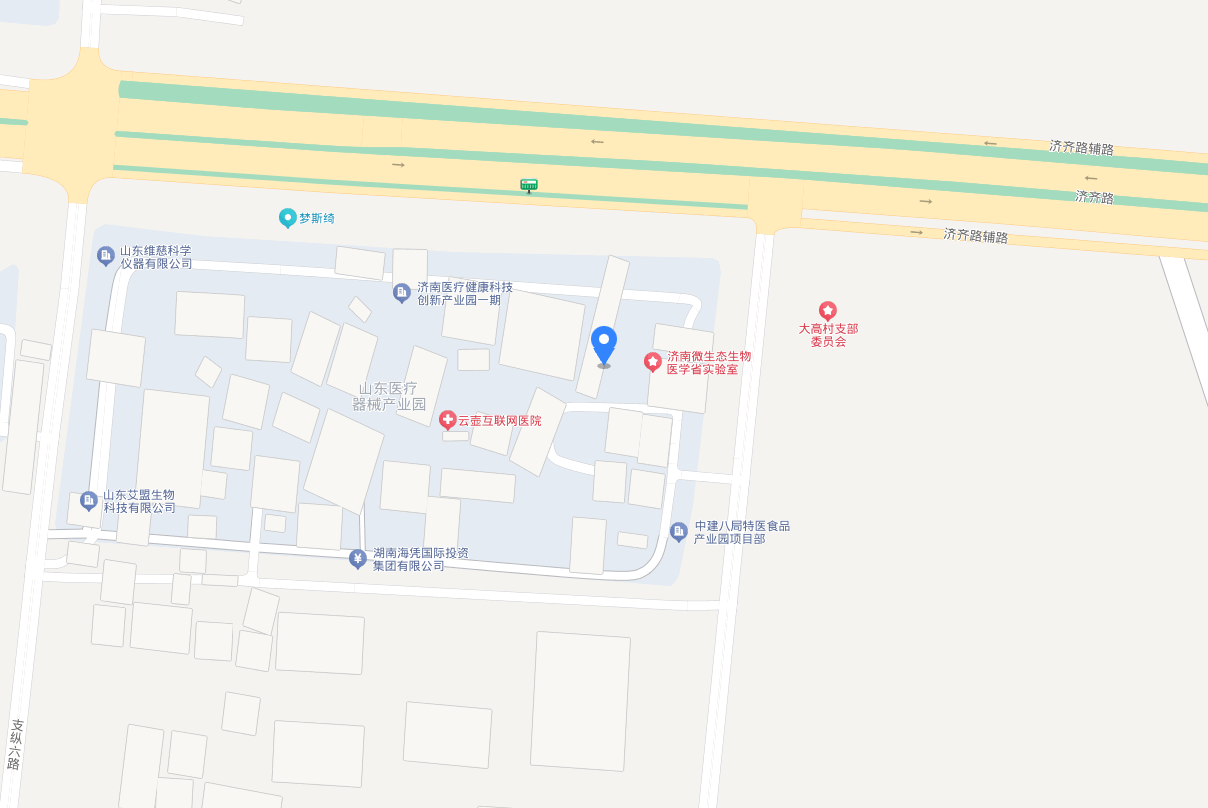
On November 26, 2026, Professor Ling Peixue, Director of the National Glycoengineering Research Center of Shandong University, visited Jinan Microecological Biomedicine Shandong Laboratory for exchange and delivered a special academic report. Professor Wu Nanping, Executive Deputy Director of the Laboratory; Professor Ling Xingang, Deputy Director of the Laboratory; Fu Yubing, Assistant to the Director of the Laboratory; Lü Longxian, Head of the Pilot and Translation Platform; Zhang Di, Head of the Cell and Neural Function Testing Platform; together with key research staff of the Laboratory attended the event.
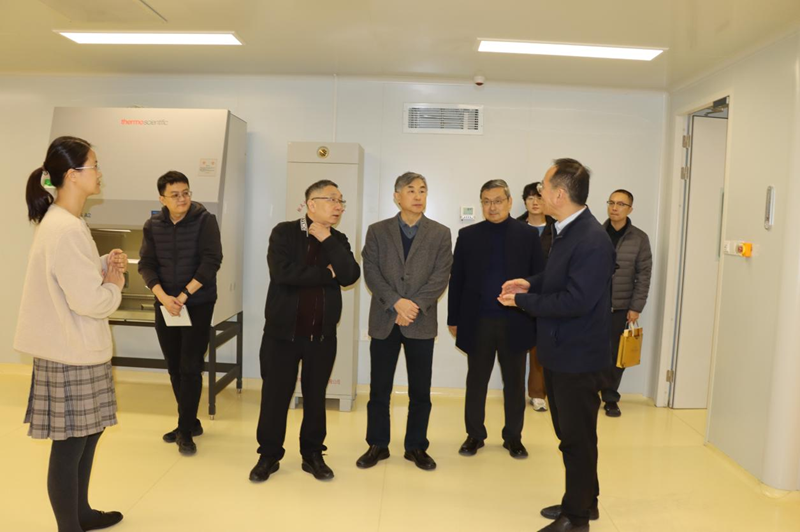
Professor Ling Peixue visited the exhibition hall, multi-omics platform and animal platform of the Laboratory in sequence. He gained a detailed understanding of the Laboratory’s development background, positioning, key research priorities and phased research achievements. He inspected the hardware configuration, technical system and operation status of the platforms on site, listened carefully to briefings on platform construction, technical service capacity and ongoing projects, and exchanged views and discussed issues with on-site researchers concerning platform technology application, sample resource management, animal model establishment and other relevant topics.
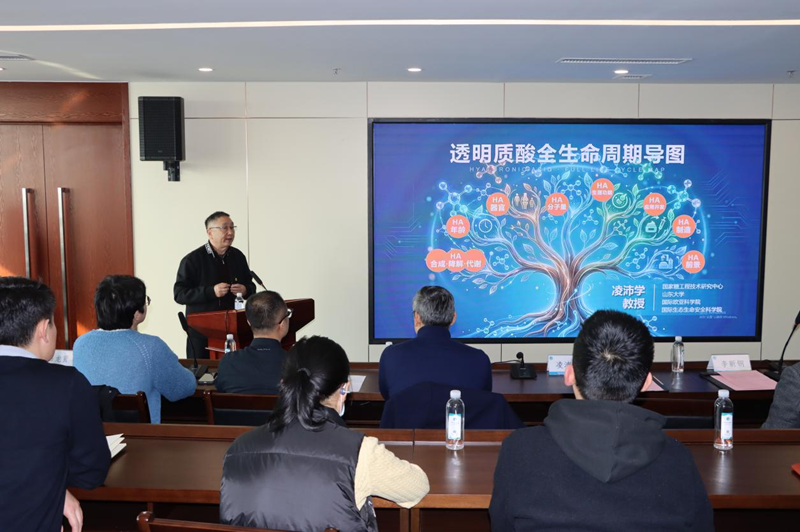
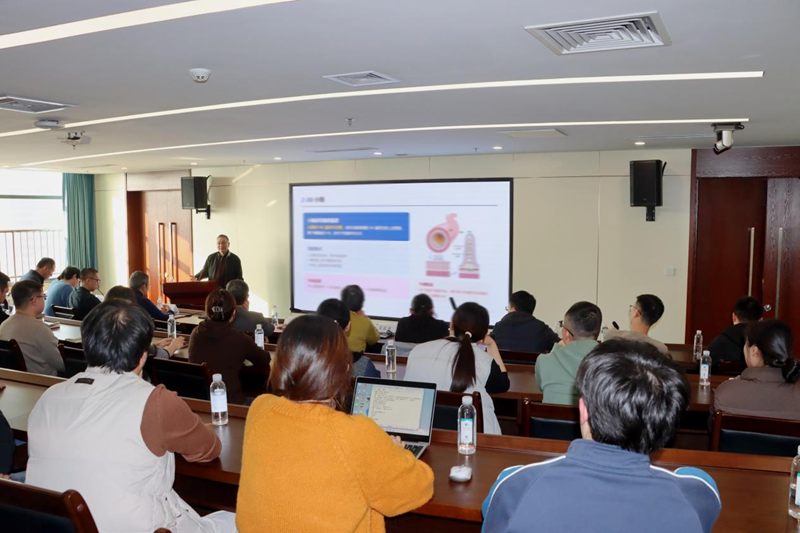
During the academic session, Professor Ling Peixue presented a special academic report entitled Roadmap for the Full Life Cycle of Hyaluronic Acid. Centering on the molecular structure and core properties of hyaluronic acid (HA), the relationship between HA and the full life cycle of living organisms, iteration of manufacturing technologies, application development and market prospects, the report systematically elaborated the core logic that “the molecular weight of HA determines its functional characteristics”. Participants listened attentively to the report and engaged in in-depth interactive discussions with Professor Ling Peixue on scientific topics including the analysis of effector mechanisms, experimental protocol design and pathways for clinical translation, creating a vigorous academic atmosphere.
At the forum, on behalf of the Laboratory, Professor Wu Nanping extended a warm welcome to Professor Ling Peixue and his entourage. She remarked that the research team led by Professor Ling Peixue has long been engaged in the research of carbohydrate biomacromolecules and built a complete industry-university-research translation system, setting an exemplary benchmark for the biomedical sector in Shandong Province. The report featured cutting-edge content and offered valuable insights. The Laboratory focuses on the interaction between microecology and hosts, and carries out research on immune regulation and ageing-related diseases, which intersects well with research on bioactive carbohydrate substances. There is great potential for cooperation in homeostasis maintenance, tissue repair, ageing intervention and other directions. It is expected that both sides will take this exchange as a starting point to strengthen communication and carry out cooperation in joint scientific research, achievement translation and talent cultivation, so as to produce high-quality and translatable research outcomes.
Professor Ling Peixue commented that the Laboratory boasts distinctive research directions in microecology and a solid foundation for interdisciplinary research. Drawing on his research experience with hyaluronic acid, he shared insights on research translation and proposed that research translation should follow the principle of “market guiding research directions and science guiding product development” to connect the whole innovation chain. He stressed the importance of gathering four core types of talents: those for theoretical breakthroughs, technical tackling, market-oriented development and comprehensive strategic planning, to promote the integration of innovation and industrial chains. He expressed his expectation that both sides could establish a regular communication mechanism, leverage respective strengths to conduct joint research on the synergistic mechanism between microecology and carbohydrate biomacromolecules, jointly apply for research projects, and facilitate the translation of achievements into the pharmaceutical and general health industries.
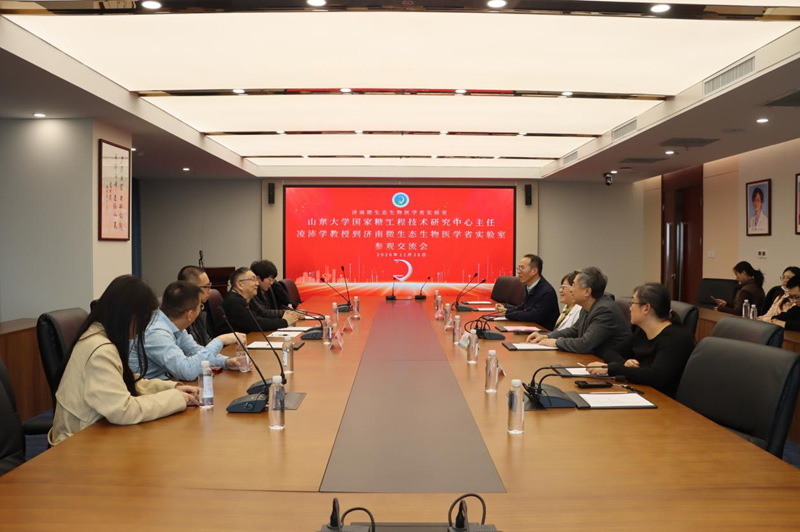
Also present at the event were relevant principals from the National Glycoengineering Research Center of Shandong University, Meiye Biomedical Co., Ltd., and Jinan Microecological Biomedicine Shandong Laboratory.