Recently, the team of Professor Li Lanjuan and Professor Yao Hangping from Jinan Microecological Biomedicine Shandong Laboratory has published a systematic review focusing on the signaling mechanisms and research advances in clinical therapeutics of receptor tyrosine kinases (RTKs). Titled Targeting receptor tyrosine kinases: from molecular mechanisms to clinical therapeutics, the review was published in Signal Transduction and Targeted Therapy (Q1, IF 81.2). Wu Kai from Zhejiang University serves as the first author; Ji Jia, Sun Ting and Lü Dan are co-first authors. This work was jointly completed by the State Key Laboratory for Diagnosis and Treatment of Infectious Diseases, Zhejiang University and Jinan Microecological Biomedicine Shandong Laboratory.
Receptor tyrosine kinases (RTKs) are critical transmembrane receptors that regulate cell proliferation, differentiation, survival and metabolism. Their aberrant activation is widely involved in the initiation and progression of tumors and other major diseases. Although RTK-targeted agents have become an important modality for precision oncology, RTKs feature diverse activation patterns and complex signaling networks. Their biological roles across different diseases and potential for targeted therapy remain to be systematically summarized.
This paper summarizes the structural and functional classification of the 58 human RTKs grouped into 20 subfamilies, elaborates ligand-dependent and ligand-independent activation, kinase domain regulation, downstream signaling, and the mechanisms determining signaling output specificity. It also delineates the crosstalk between RTKs and other signaling cascades including GPCR, Wnt and TGF-β pathways.
On the basis of discussing the multifaceted roles of RTKs in tumors, the review systematically describes their biological functions in non-neoplastic diseases such as cardiovascular disorders, neurodegenerative diseases, metabolic diseases, autoimmune diseases, fibrosis and infectious diseases, as well as their significance as therapeutic targets.
The paper further compares the advantages and limitations of various therapeutic strategies targeting RTKs, including small-molecule inhibitors, antibodies, antibody-drug conjugates, cell therapy and targeted protein degradation. It summarizes 54 RTK small-molecule inhibitors and 11 targeted antibodies approved by the U.S. FDA as of April 2026, analyzes challenges of drug resistance, toxicities and clinical translation, and proposes that next-generation omics and artificial intelligence should be integrated to dissect disease-specific signaling regulatory networks and key molecules to advance precision diagnosis and treatment.
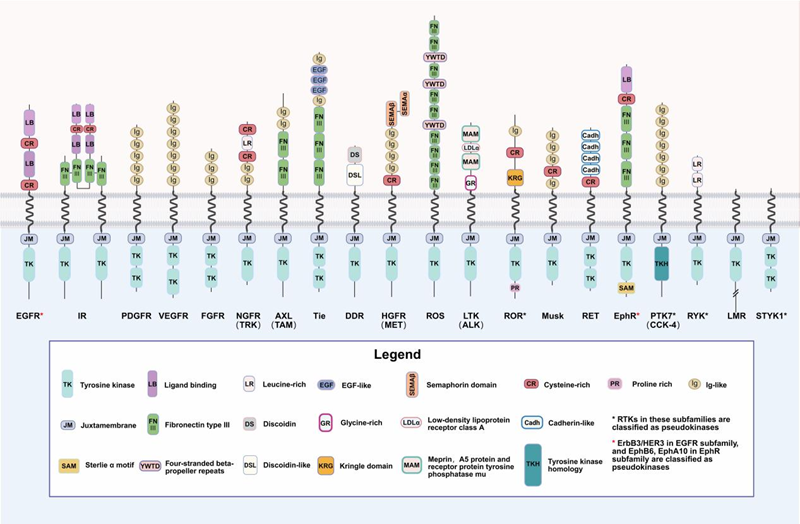
Figure 1 Structural characteristics of proteins in the receptor tyrosine kinase family
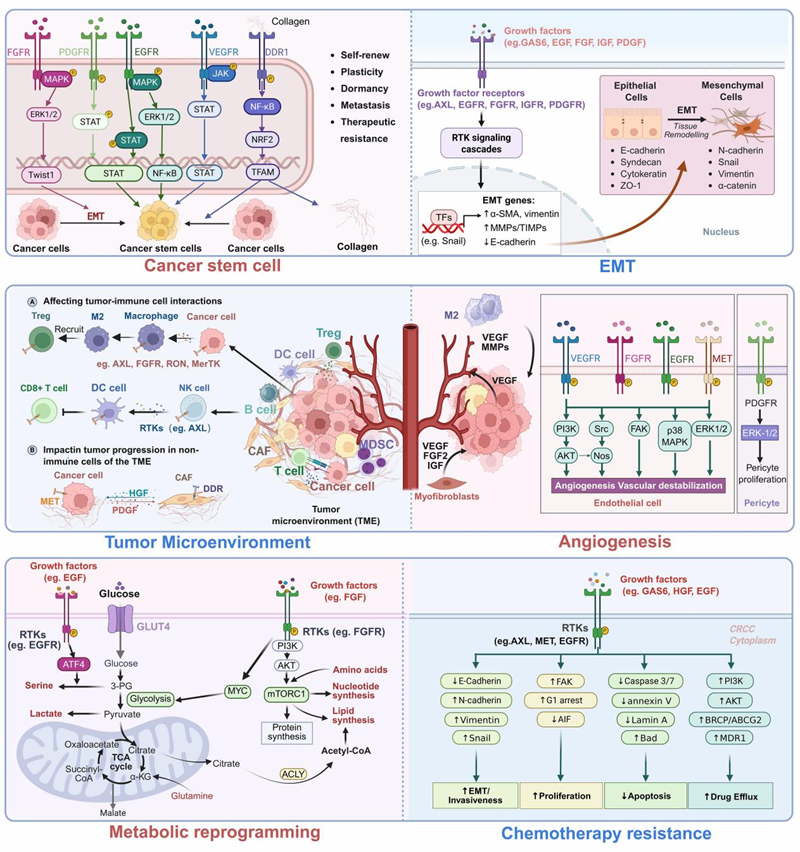
Figure 2 Receptor tyrosine kinases, their mediated signaling pathways and pathological mechanisms in cancer
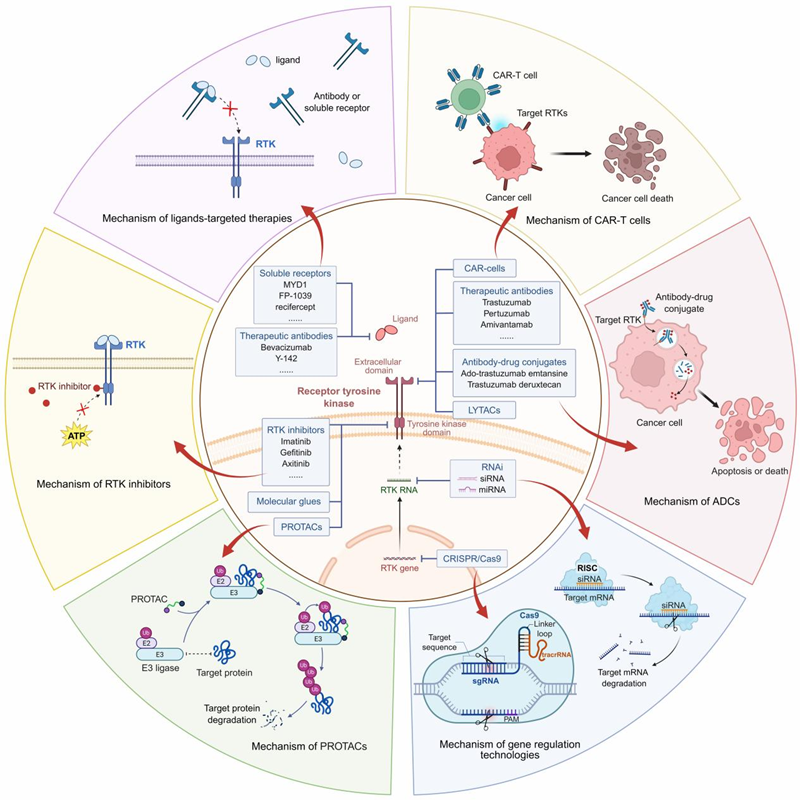
Figure 3 Therapeutic strategies targeting receptor tyrosine kinases
Research Insights: This review systematically organizes the structure, signaling regulatory mechanisms, multisystem biological functions and diverse targeted therapeutic strategies of RTKs. Moving beyond the previous tumor-centric perspective, it illustrates the target potential of RTKs in a wide spectrum of non-neoplastic diseases. By comparing the merits of different targeted technical approaches and dissecting translational bottlenecks such as drug resistance and toxicity, the article puts forward the strategy of leveraging multi-omics and artificial intelligence to resolve disease-specific signaling networks. It provides a systematic reference for disease mechanism investigation, development of novel RTK-targeted drugs and precision diagnosis and treatment.
Researcher Yao Hangping and Professor Li Lanjuan from Jinan Microecological Biomedicine Shandong Laboratory, together with Professor Wang Minghai from Zhejiang University, are the corresponding authors of this article. This research was supported by the National Natural Science Foundation of China (82473937), the Zhejiang Provincial Program for National Top Talents (2022R52029), and the Fundamental Research Funds for the Central Universities (2022ZFJH003).