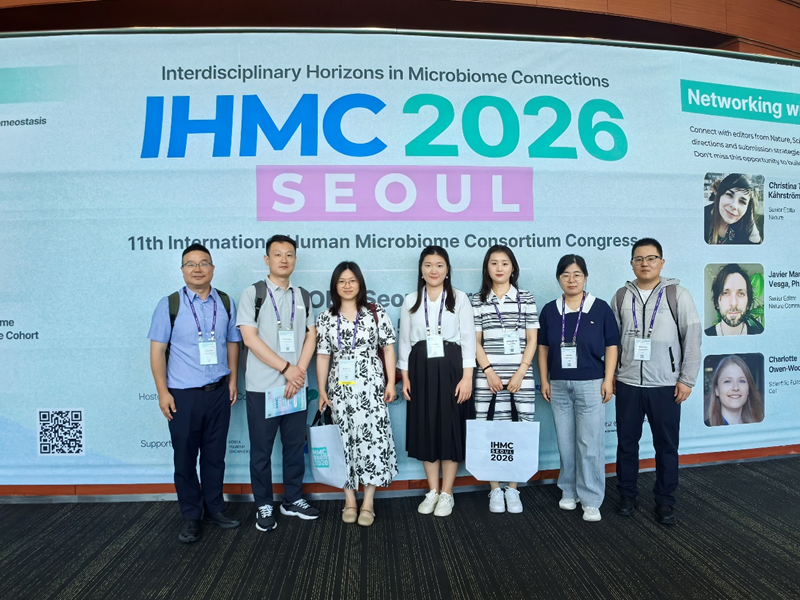
Recently, the 11th International Human Microbiome Consortium (IHMC) Congress 2026 was held in South Korea, bringing together leading researchers from academia, industry, government and the clinical sector. Assistant Researchers Li Aijing, Wang Yanbo, Ren Weibin and Wang Xiao, along with Assistant Laboratory Technician Shang Dandan, from the Jinan Microecological Biomedicine Shandong Laboratory travelled to South Korea to attend the conference, where they presented a number of the latest original research findings covering fields such as gut microbiota, the prevention and control of chronic diseases, and precision medicine.
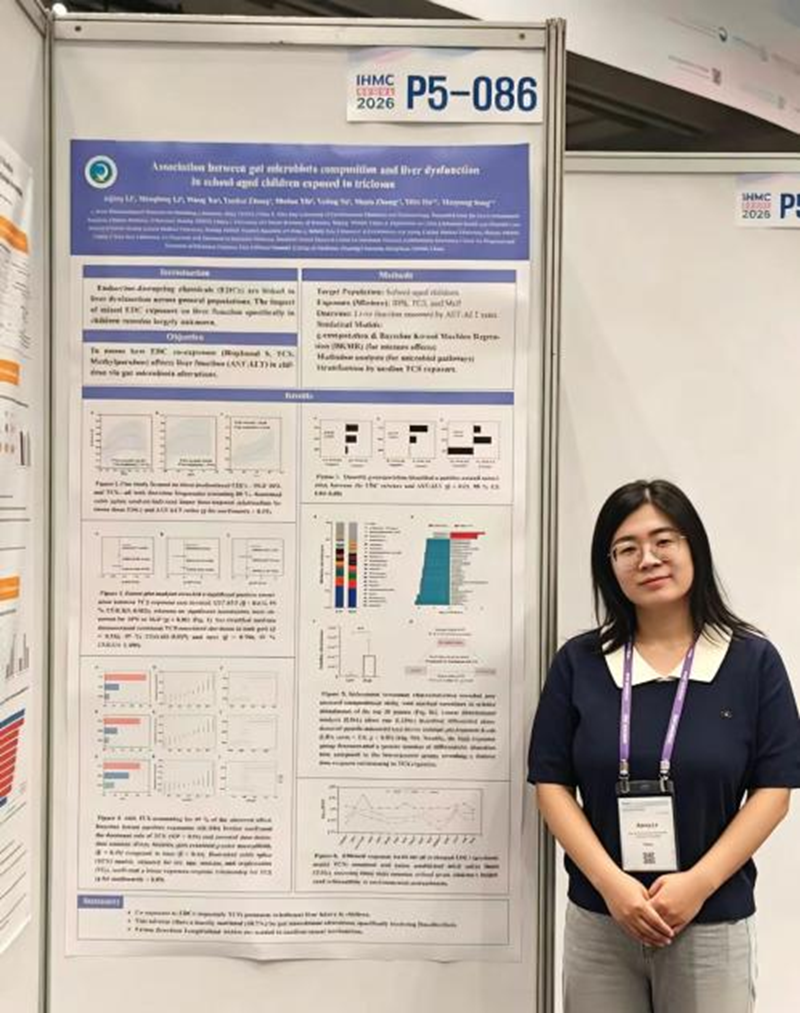
Li Aijing presented a poster entitled ‘Association between gut microbiota composition and liver dysfunction in school-aged children exposed to triclosan’, which explored the link between exposure to endocrine disruptors such as triclosan and abnormal liver function in school-aged children. The study found that mixed exposure to these chemicals was closely associated with an increased risk of impaired liver function in children, with triclosan being the primary contributing factor; Further analysis indicated that changes in the gut microbiota may play a significant mediating role in this process, with the mediating effect of *Desulfovibrio* in particular warranting attention. By examining the association between environmental exposure, gut microbiota and abnormal liver function, this study provides new scientific evidence for the assessment of health risks in children and offers fresh insights into the potential mechanisms by which environmental factors influence liver health.
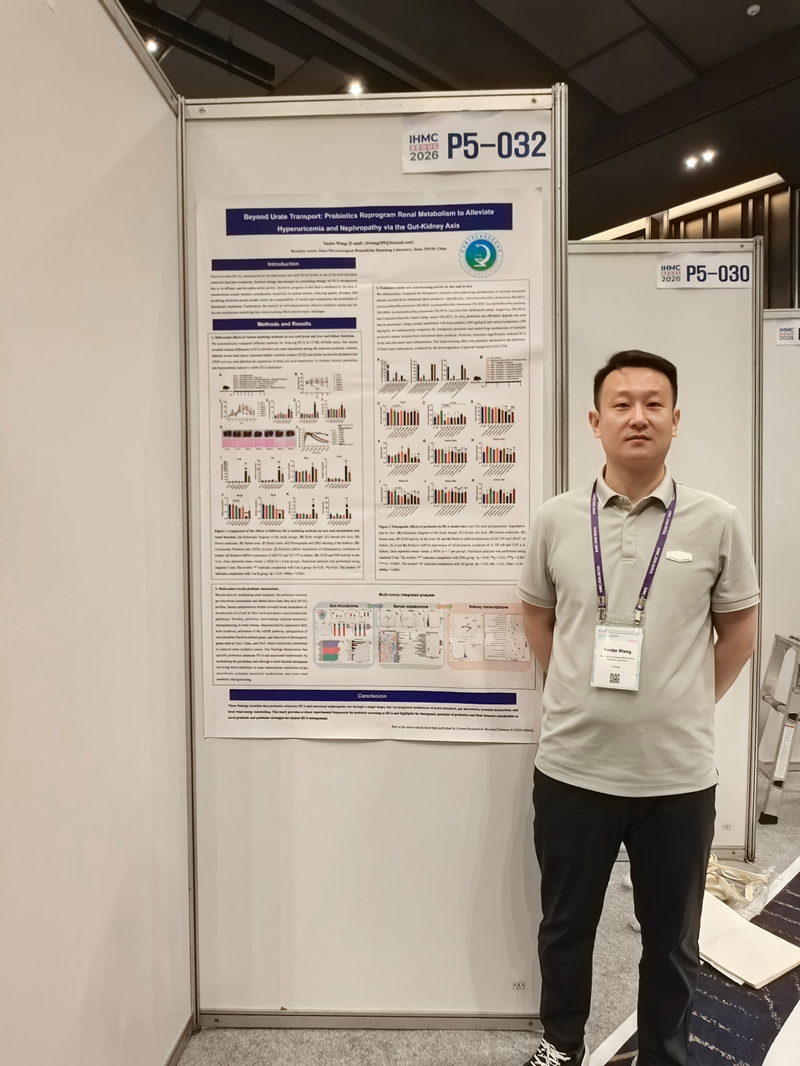
Wang Yanbo presented a poster entitled ‘Beyond Urate Transport: Probiotics Reprogram Renal Metabolism to Alleviate Hyperuricaemia and Nephropathy via the Gut-Kidney Axis’, which described how probiotics improve hyperuricaemia and associated kidney disease via the gut-kidney axis. Based on an established mouse model of hyperuricaemia, the project team screened for probiotics with high potential for reducing uric acid levels and, using multi-omics analysis techniques, elucidated how probiotics regulate the structure and metabolic function of the gut microbiota, thereby inhibiting renal uric acid reabsorption and alleviating renal oxidative stress via the ‘gut-kidney’ axis. This study highlights the potential of probiotics and their active metabolites in the treatment of hyperuricaemia and related kidney diseases.
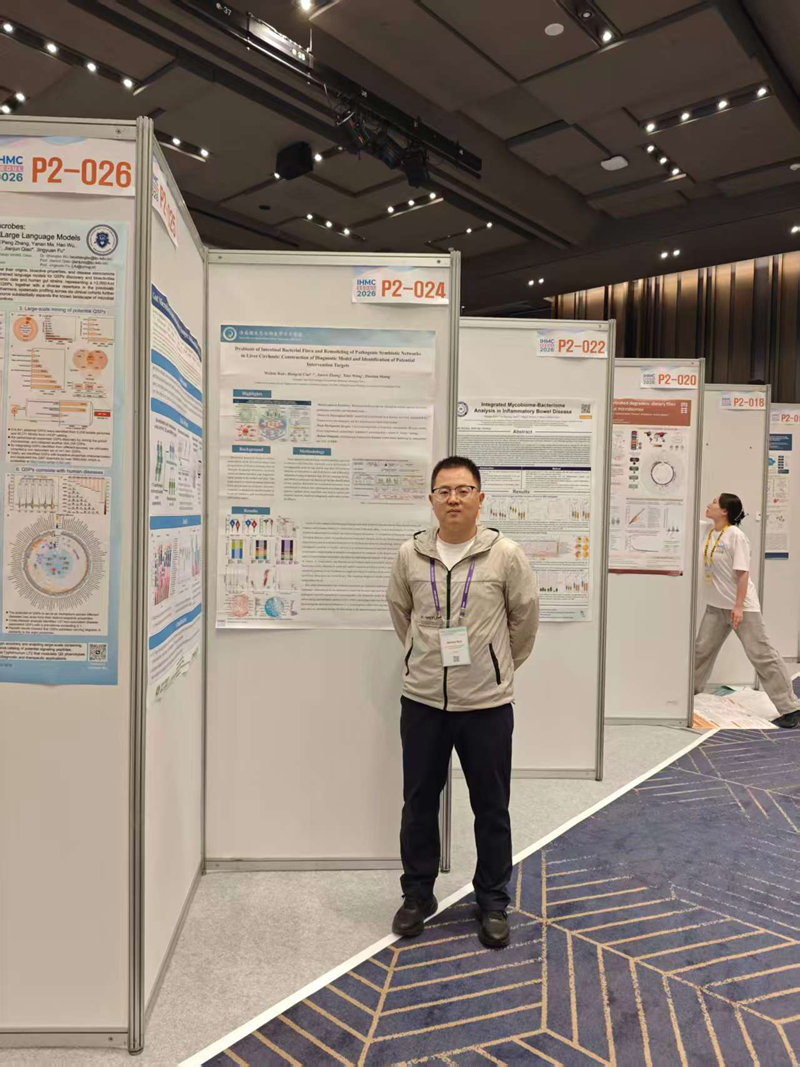
Ren Weibin presented a poster entitled ‘Dysbiosis of Intestinal Bacterial Flora and Remodelling of Pathogenic Symbiotic Networks in Liver Cirrhosis: Construction of a Diagnostic Model and Identification of Potential Intervention Targets’, which focused on specialised research into the gut microbiome of patients with liver cirrhosis. He explained that the gut microbiota is closely associated with the onset and progression of liver cirrhosis. Utilising metagenomic sequencing technology and a combination of bioinformatics analysis methods, the research team systematically investigated the distinctive evolutionary characteristics of the gut microbiota in patients with liver cirrhosis.
The study confirmed that patients with liver cirrhosis exhibit significant gut microbiota dysbiosis, primarily manifested by three core characteristics: extensive depletion of beneficial core symbiotic bacteria; remodelling of the gut microbiota symbiotic homeostasis network into a pathogenic network dominated by Streptococcus parahaemolyticus; and disruption and imbalance in microbial metabolic functions. The research team further identified eight core microbial biomarkers and successfully developed a diagnostic model specific to liver cirrhosis. This model achieved an AUC value of 0.841 in an independent test set, demonstrating excellent discriminatory diagnostic capability and providing a novel tool for the clinical screening and management of liver cirrhosis. Ren Weibin provided a detailed analysis of the core findings of this study, proposing that regulating the abnormal proliferation of pathogenic bacteria and restoring the homeostasis of beneficial bacteria could serve as potential intervention strategies to improve the imbalance in the gut microbiome associated with liver cirrhosis.
These research findings not only reveal the multi-layered characteristics of gut microbiome dysbiosis in liver cirrhosis but also provide a novel approach to clinical辅助 diagnosis and microbiome intervention for liver cirrhosis.
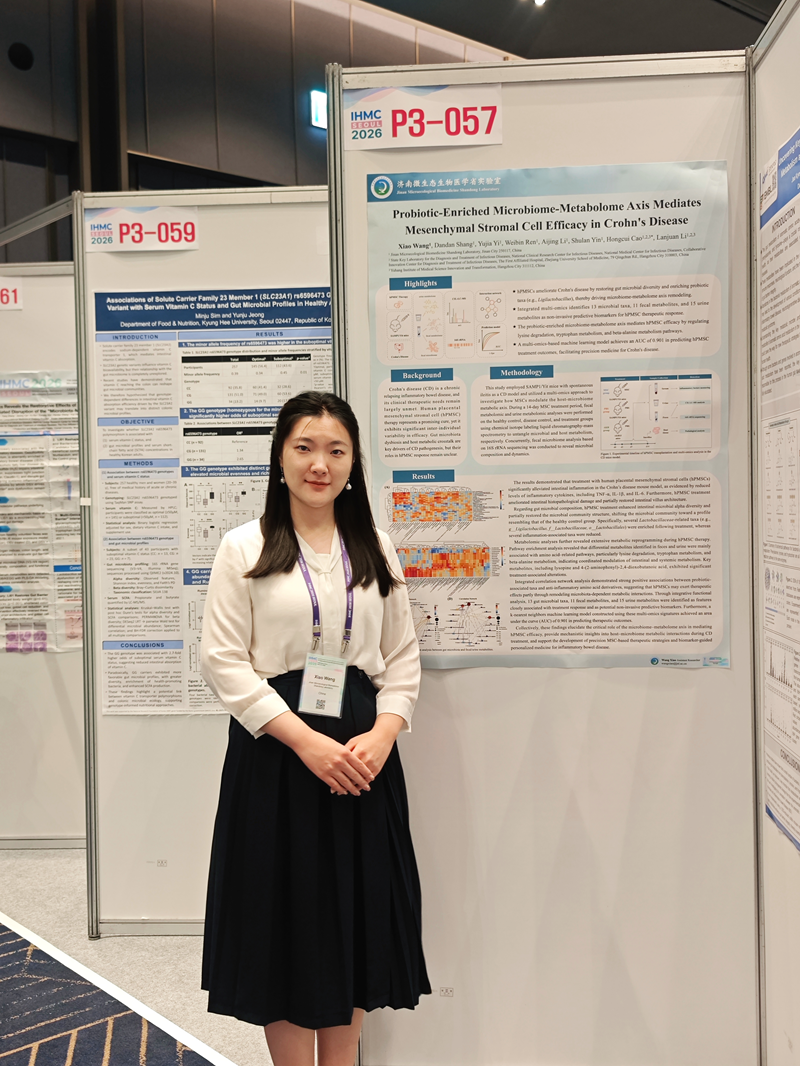
Wang Xiao presented a poster entitled ‘Probiotic-Enriched Microbiome-Metabolome Axis Mediates Mesenchymal Stromal Cell Efficacy in Crohn’s Disease’. This study focused on the issue of individual variability in the efficacy of mesenchymal stromal cells (MSCs) for the treatment of Crohn’s disease. Using a mouse model of spontaneous ileitis, and combining multi-omics techniques such as gut microbiome sequencing, faecal metabolomics and urinary metabolomics, the study systematically analysed the mechanisms of interaction between the host and gut microbiota during MSC therapy. The study found that MSC therapy restores gut microbiota diversity, enriches beneficial bacterial populations such as Lactobacillus, and reprogrammes multiple amino acid metabolic pathways, thereby promoting a shift in the body’s metabolic state towards a healthier state. Furthermore, the machine learning model developed was able to predict treatment responses with a high degree of accuracy, providing potential biomarkers for personalised cell therapy. The presentation of these research findings reflects the team’s latest progress at the intersection of microbiome science and metabolomics, whilst also offering new insights into the mechanisms of precision treatment for Crohn’s disease.
This international conference not only facilitated academic exchange between the laboratory’s research team and leading global scholars in the field, enabling the absorption of cutting-edge research concepts and broadening the horizons of scientific innovation, but also further enhanced the laboratory’s international profile and influence within the sector. It has built momentum for the laboratory to undertake future international collaborative research and tackle key technical challenges in microecological medicine, whilst also injecting fresh impetus into the innovative development of the regional microecological biopharmaceutical industry and the clinical translation of research findings.